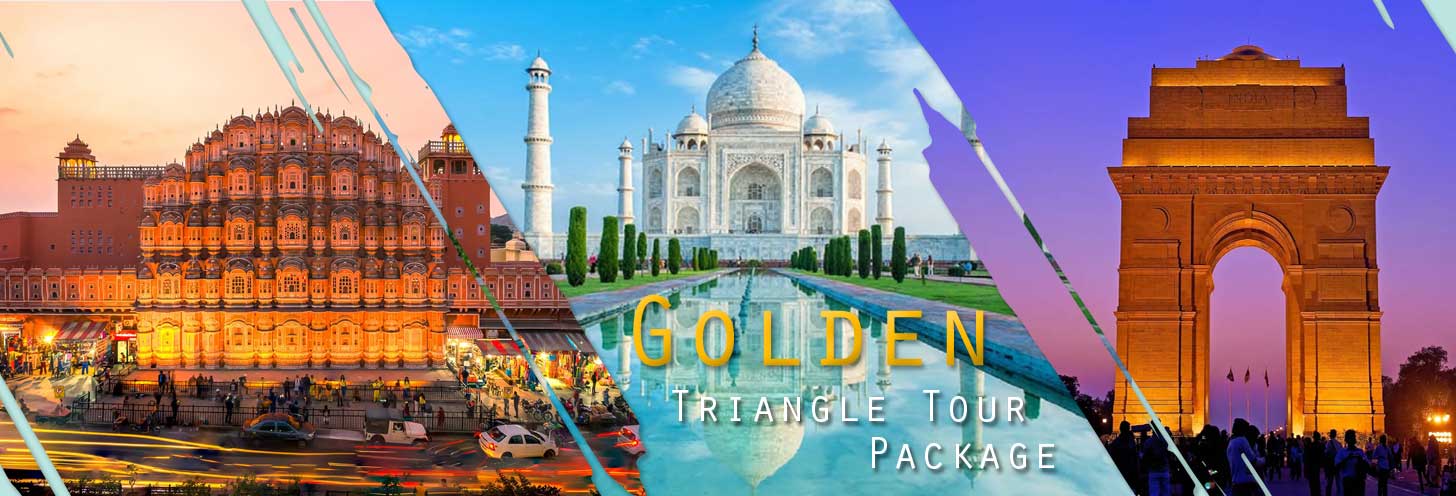
Golden Triangle Tour India: Delhi, Agra, Jaipur: Your Complete Guide
If you’ve got a week, the Golden Triangle Tour India is where India bites, softly and fiercely, all at once. Three wonderful cities—Delhi, Agra, Jaipur—are close enough to drive and seriously far enough to feel like three different worlds. What’s there? Roads buzzing, markets spilling onto streets, forts climbing hills, the Taj sitting like a dream. You see history, chaos, colors, and food all tangled together. Isn’t that amazing, to say the least?
Delhi – Chaos, Dust, and Spice
Delhi grabs
you from the first step. Horns blare, rickshaws weave, chai stalls steam along
the roadside.
Old Delhi is
tight, messy, alive. Sari shops, spice heaps, silver bangles crowd the streets.
Jalebi smells hit you before you even see the shop. Narrow lanes hide paratha
stalls.
Cows lie in
the sun. Cumin, ghee, and sweet aromas float in the air. Life happens
everywhere—vendors shout, sitars play, cats dart past cracked walls, incense
drifts, children run and laugh.
Top Experiences & Monuments
• Chandni Chowk & Streets: Narrow lanes with paratha stalls, flour flying, smoke curling. Women in bright saris, baskets on heads. Cows lie in the sun. Vendors shouting. Kids running. Street food aromas everywhere.• Red Fort: Walk through Lahori Gate. Imagine elephants and royal guards. Hard.
• Jama Masjid: Climb the minaret. Sweat rolls down your neck. Below, Delhi spreads, alleys twist, full of stories and daily life.
• Humayun’s Tomb: Symmetry, reflection pools, calm.
• India Gate: Evening lights, families on lawns, corn roasting on open fires.
Traveler Tip: Walk. Don’t ride everywhere. Delhi rewards wandering eyes—children flying kites, cows lazing, murals peeling off walls.
What to Buy in Delhi?
Delhi’s
streets smell like spices and old books. In Chandni Chowk, a tiny shop squashes
brass bells and lac bangles together; colors clash but somehow it works. Dilli
Haat has puppets dangling from wires, leather sandals too soft to believe, and
terracotta figurines that seem alive.
Walk through Khari Baoli, sniff fenugreek and red chilies, and you’ll know why people queue for tea in the corner. Paharganj hides journals with rough leather covers, tucked between shops selling old postcards. Every alley tells a story, every purchase feels like a secret you found yourself.
Agra – The Taj in Real Life
You step out
of the car. Dust sticks to your shoes as rickshaws swerve past. Vendors shout,
their voices overlapping, while cows wander slowly down the street. A man holds
sticky petha, sugar on his fingers, and the smell of frying bread drifts from a
side stall. The river nearby has a faint, earthy scent.
You walk
through the Taj Mahal gate. The marble changes color with the sun. In the early
morning, it glows soft pink. By midday, it shines almost white. Tourists move
past. Cameras click. Guides call out. You just stand and take it all in.
Shadows fall across carvings, and tiny flowers frozen in stone catch your eye.
Outside the
monuments, the streets are alive. Kids run through alleys. Rickshaws honk.
Marble workers hammer. Spices waft from food stalls. Kebabs roast, bread bakes,
and small details—stone carvings, calligraphy—stick in your mind.
Top Monuments to Visit
- Taj Mahal: Step through the gate. The
marble changes color with the sun. Sunrise turns it soft pink. Midday
makes it almost white. Tourists move past. Cameras click. Guides call out.
You just stand and take it all in. Shadows fall across carvings, tiny
flowers frozen in stone catch your eye.
- Agra Fort: Red sandstone walls rise above
you. Courtyards stretch wide. Steps echo when you walk. You look out a
window. Across the river, the Taj floats in haze.
- Mehtab Bagh: Quiet across the river. You
kneel by the pool. Ducks swim through. The reflection ripples. You laugh
because it’s ruined, and it’s perfect anyway.
- Itmad-ud-Daulah (Baby Taj): Small and delicate. You crouch.
Fingers almost touching carvings. The inlay, the tiny flowers. And for a
few moments, nothing else matters.
- Fatehpur Sikri: Empty courtyards echo. Steps creak. Birds fly through arches. You walk slowly, imagining voices, footsteps, lives now gone.
What to Buy in Agra?
Agra is heavy on craftsmanship. Marble pieces catch your eye first—coasters, small boxes, frames, each with delicate floral inlay. Leather shops display wallets, belts, and sandals. Soft scarves, embroidered fabrics, and simple shawls fill other corners. Sweet shops tempt with petha in boxes, sugar sticking to fingers. Shops are tight, narrow, and full of the scent of polish and spice. You watch artisans carving, cutting, and polishing. Picking a small item feels personal, almost like carrying a piece of the city itself.
Jaipur – Pink, Loud, Alive
Jaipur hits
differently. Pink walls, fort hills, bazaars spilling colors and noise. Jaipur
sightseeing is unforgettable—it’s chaotic and glorious.
- Amber Fort: Climb slowly. The mirrored
halls shimmer. Outside, desert hills roll away.
- Hawa Mahal: Step inside the honeycomb
windows. Streets below are alive with early morning life.
- City Palace: Painted doors, courtyards, and
museums. Still a royal home.
- Jantar Mantar: Giant stone instruments
pointing skyward. Time and stars measured in silence.
- Markets: Johari for jewels, Bapu for
fabrics, Tripolia for crafts. Bargain, laugh, repeat.
Food: Rajasthani thalis hit hard—rich,
spicy, and impossible to resist. Don’t skip dal baati churma or gatte ki sabzi.
Kadhi adds the perfect tang. And the sweets… dripping with ghee, they’ll stick
to your fingers and your memory.
Tip: Morning Hawa Mahal light is magic. Amber Fort terrace gives cityscape shots that make postcards jealous.
What to Buy in Jaipur
Some streets in Jaipur twist too sharply, you bump into yourself. Johari Bazaar: necklaces hang like they’re falling, polki stones glare at you, bangles rattle in mismatched stacks. A scarf smells faintly of old dye, the air thick with dust and fried snacks. Bapu Bazaar is a mess that somehow works: mojaris teeter in crooked piles, leathers sag on counters, fabrics tumble onto cobbled alleys. Tripolia Bazaar clangs—brass pots, papier-mâché toys, and tiny terracotta figurines lean in the sun, daring you to take them. Vendors yell, chai steam curls over your elbow, and bargaining feels like a conversation with the city itself. You leave carrying pieces of chaos.
Best Time to Visit the Golden Triangle
October–March is sweet. Days are crisp, nights need a shawl. Summer? Hot. Monsoon? Wet and messy but atmospheric. Festivals add punch: Diwali lights Delhi, Holi paints Agra, Jaipur hosts literature and color.
Do’s and Don’ts
- Do carry cash. Small notes,
always. Markets, chai, tips.
- Don’t drag big luggage.
Cobblestones, stairs, train platforms. Backpack wins.
- Do wake up early. Dawn brings
quiet streets, soft light, calm before the chaos.
- Don’t expect silence. Honks,
temple bells, wedding drums—it’s a soundtrack.
- Do eat street food. Follow
locals. Golgappas, parathas, lassis.
- Don’t live through your camera.
Smell incense, feel sandstone, listen to bargaining. Memory > pixels.
- Do learn a few words. “Namaste,”
“Shukriya,” “Bas.” Faces soften.
- Don’t rush the Taj Mahal. Marble shifts color. Sunrise. Sunset. Sit. Watch.
The Golden Triangle Tour India sticks with you. Delhi is loud. Agra glows in the sun. Jaipur’s forts are pink. Moving from one city to another can be tiring. Aroma of Rajasthan’s chauffeur-driven cars make it easier. You notice small things—kids running in the streets, the smell of food, sunlight on old walls. Markets, monuments, food stalls, every corner tells a story. With Aroma of Rajasthan’s Golden Triangle private tours, you don’t have to worry about transport or planning. You just walk, look, eat, and take it all in. It makes the trip simple and real.

